Retatrutide Synedica: Exploring the Next Generation of Metabolic Research Peptides
The field of metabolic health research continues to evolve with the development of innovative peptide-based compounds designed to explore new approaches for weight management and glucose regulation. Retatrutide Synedica has gained attention as an investigational research product based on retatrutide, a next-generation triple receptor agonist designed to study the interaction between multiple metabolic pathways.
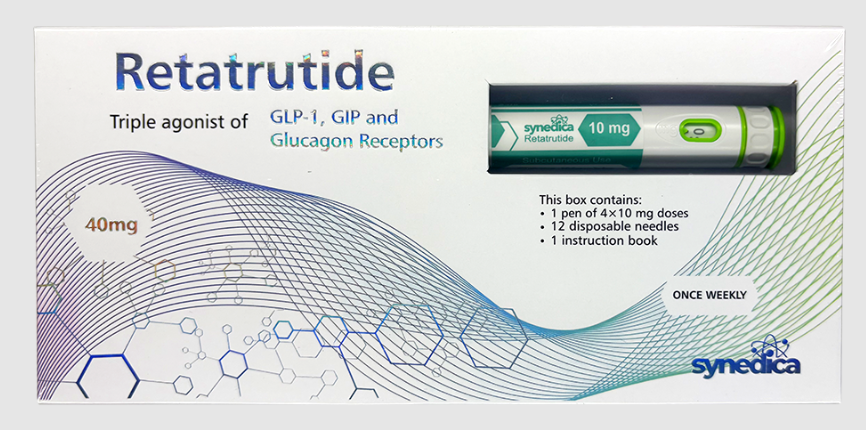
Synedica Retatrutide 40mg Injection Pen is presented as an investigational weight management research product featuring a unique mechanism that targets three important biological pathways: GLP-1, GIP, and glucagon receptors. By studying these combined pathways, researchers aim to better understand how multi-receptor activation may influence appetite control, energy balance, fat metabolism, and blood sugar regulation.
The product is designed for research purposes only and is marketed as a metabolic research peptide intended for scientific studies. The kit includes a prefilled injection pen containing four separate 10mg doses, providing researchers with a structured format for controlled investigation.
Understanding Retatrutide Synedica and Its Research Background
Retatrutide Synedica represents an emerging area of metabolic peptide research focused on understanding how multiple hormone pathways can work together to influence body weight regulation and metabolic processes. Traditional approaches often focus on individual pathways, while retatrutide research explores a combination approach through simultaneous activity at GLP-1, GIP, and glucagon receptors.
The concept behind this triple receptor approach is based on studying the relationship between appetite signals, glucose metabolism, and energy expenditure. Researchers are investigating whether activating these interconnected pathways may provide deeper insights into metabolic regulation compared with targeting a single receptor system.
As an investigational peptide product, Retatrutide Synedica is not positioned as an approved treatment but as a tool for laboratory and scientific research involving metabolic mechanisms.
The Triple Receptor Agonist Approach of Retatrutide Synedica
One of the key characteristics of Retatrutide Synedica is its triple receptor agonist design. This approach focuses on three major metabolic signaling pathways:
GLP-1 Pathway
The GLP-1 pathway is widely studied for its role in appetite signaling, glucose response, and digestive processes. Research involving GLP-1 receptor activity has contributed significantly to understanding how hormonal signals affect food intake and metabolic balance.
GIP Pathway
The GIP pathway is another important area of metabolic research. Scientists study GIP receptor activity to explore its relationship with nutrient processing, insulin response, and energy regulation.
Glucagon Pathway
The glucagon pathway plays a role in energy utilization and metabolic activity. Research into glucagon receptor stimulation focuses on understanding how the body manages stored energy and maintains metabolic balance.
By combining these three pathways, Retatrutide Synedica is studied as a potential example of a multi-target peptide approach in metabolic science.
Synedica Retatrutide 40mg Injection Pen Overview
The Synedica Retatrutide 40mg Injection Pen is marketed as a research-oriented peptide product designed for controlled scientific investigation. The product configuration includes four 10mg doses contained within a prefilled injection pen system.
This format provides researchers with a convenient delivery method for studying peptide-related metabolic pathways under controlled research conditions. The prefilled pen design is intended to simplify handling and support consistency during research applications.
The product is labeled for research purposes only and is not intended for human therapeutic use outside approved scientific and regulatory frameworks.
Potential Research Applications of Retatrutide Synedica
Researchers studying Retatrutide Synedica are interested in several areas related to metabolic science. These areas include understanding appetite regulation, energy balance, body composition changes, and glucose-related processes.
Potential research applications may include:
• Studying hormonal pathways involved in appetite signaling
• Exploring mechanisms related to fat metabolism
• Investigating glucose regulation processes
• Examining multi-receptor activation in metabolic models
• Understanding interactions between gut hormones and energy balance
These research areas contribute to broader scientific efforts focused on developing improved strategies for studying metabolic health.
How Retatrutide Synedica Represents a New Direction in Peptide Research
The development of multi-receptor peptides represents a shift from traditional single-target research approaches toward more complex metabolic investigations. Retatrutide Synedica reflects this movement by combining three receptor activities within one investigational peptide structure.
Scientists are increasingly interested in understanding whether targeting multiple metabolic pathways simultaneously can provide greater insights into the complex systems involved in weight regulation and energy management.
The triple receptor design makes Retatrutide Synedica an important subject for researchers exploring the future possibilities of metabolic peptide science.
Appetite Control and Metabolic Research With Retatrutide Synedica
Appetite regulation is one of the major areas studied in connection with retatrutide-based research. Hormonal signals play an important role in communication between the digestive system, brain, and metabolism.
Researchers examine how GLP-1 and GIP-related pathways interact with appetite signals while also studying how glucagon activity may influence energy utilization. This combined research approach helps scientists better understand the relationship between food intake, metabolism, and body weight regulation.
Retatrutide Synedica is therefore positioned within a broader category of metabolic research products focused on understanding these complex biological interactions.
Fat Metabolism and Energy Balance Studies
Another important area of interest surrounding Retatrutide Synedica is fat metabolism research. The human body relies on complex systems to store, release, and utilize energy, and researchers continue to investigate how hormonal pathways influence these processes.
The glucagon-related component of triple receptor activity is studied for its potential role in energy balance mechanisms. Combined with GLP-1 and GIP pathway research, this approach provides scientists with opportunities to explore broader metabolic responses.
Such studies may contribute to a deeper understanding of how the body manages energy resources and maintains metabolic stability.
Blood Sugar Regulation Research With Retatrutide Synedica
Blood sugar regulation remains a major focus within metabolic research. Hormonal pathways involved in insulin signaling, glucose response, and energy metabolism are continuously studied to better understand metabolic function.
Retatrutide Synedica research examines how combined receptor activity may influence glucose-related mechanisms. By investigating multiple pathways together, researchers can analyze more complex metabolic interactions.
This makes retatrutide-based research valuable for scientists exploring future directions in metabolic science.
The Role of Research Peptides in Modern Metabolic Studies
Research peptides have become important tools for studying biological processes at the molecular level. These compounds allow scientists to investigate specific receptor interactions and understand how different signaling pathways influence human physiology.
Retatrutide Synedica belongs to this category of investigational metabolic research products. Its focus on triple receptor activity highlights the growing interest in advanced peptide designs that examine multiple biological systems simultaneously.
Through controlled research environments, scientists can continue exploring how these innovative approaches may contribute to future discoveries.
Retatrutide Synedica as a Next-Generation Metabolic Research Product
The growing interest in Retatrutide Synedica reflects the increasing demand for advanced metabolic research tools. With its triple receptor agonist design and focus on GLP-1, GIP, and glucagon pathways, it represents a modern approach to studying weight management and metabolic health concepts.
The Synedica Retatrutide 40mg Injection Pen provides a structured research format featuring four 10mg doses, allowing researchers to examine peptide-related mechanisms in controlled settings.
While research continues into the possibilities of multi-receptor metabolic peptides, products like Retatrutide Synedica demonstrate the ongoing evolution of scientific exploration in weight management and metabolic health research.
Conclusion
Retatrutide Synedica represents an innovative investigational peptide product designed for metabolic research applications. Featuring a triple receptor agonist approach targeting GLP-1, GIP, and glucagon pathways, it provides researchers with a platform to explore appetite control, fat metabolism, energy balance, and blood sugar regulation.
The Synedica Retatrutide 40mg Injection Pen, containing four 10mg doses, is marketed specifically for research purposes and reflects the growing interest in next-generation metabolic science.
As research into multi-pathway peptide technologies continues, Retatrutide Synedica remains an example of how advanced scientific approaches are being explored to better understand the complex mechanisms behind metabolic health.